
Montessori Daycare in Langley: A Better Start for Early Learning
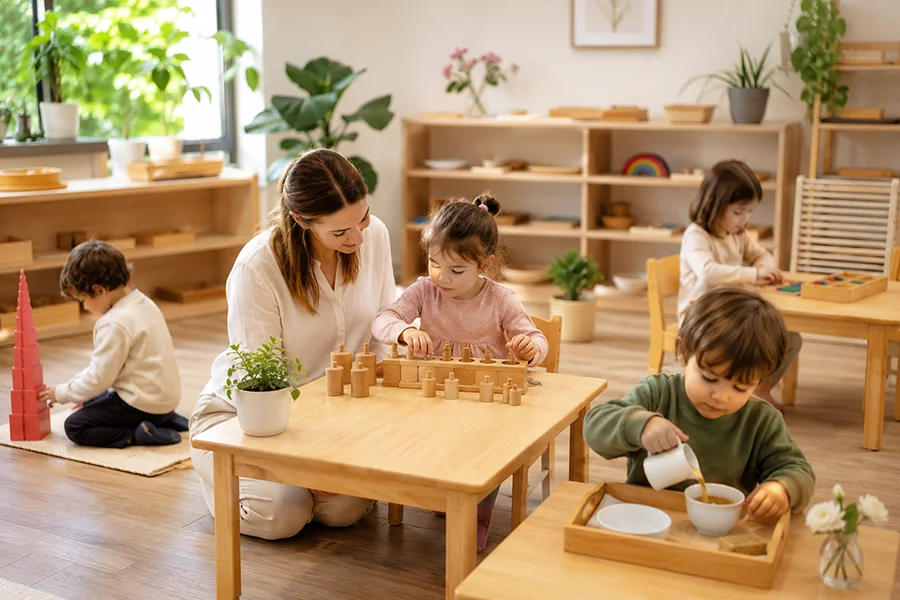
Choosing a Montessori daycare in Langley can give young children a strong foundation for learning, independence, confidence, and social development. For many parents, daycare is not only about finding a safe place for their child during the day. It is also about choosing an environment where children can grow, explore, communicate, and build important life skills.
Montessori-based childcare focuses on the whole child. It encourages children to learn through hands-on activities, daily routines, practical life experiences, movement, language, and respectful guidance. Instead of only keeping children busy, a Montessori daycare helps children develop independence, focus, responsibility, and curiosity.
This guide explains how Montessori daycare works and why it can be a strong choice for families looking for quality childcare in Langley.
What Is Montessori Daycare?
A Montessori daycare is an early childhood environment inspired by the educational approach developed by Dr. Maria Montessori. The Montessori method is based on the idea that children learn best when they are active participants in their own development.
In a Montessori daycare, children are encouraged to:
- Explore hands-on learning materials
- Make age-appropriate choices
- Practice independence
- Build concentration
- Develop social skills
- Learn through real-life activities
- Respect their environment
- Follow daily routines with confidence
The classroom is usually prepared with child-sized furniture, organized shelves, practical learning materials, and calm activity areas. Everything is designed to help children learn naturally through movement, observation, and repetition.
Why Parents Choose Montessori Daycare in Langley
Parents looking for Montessori daycare in Langley often want more than basic childcare. They want an environment that supports both care and education.
Montessori daycare can be appealing because it focuses on:
- Independence
- Emotional development
- Practical life skills
- Language growth
- Social confidence
- Hands-on learning
- Respectful routines
- Early academic readiness
For busy families, a Montessori daycare can also provide a structured daily environment where children feel secure, engaged, and supported while parents are at work.
Montessori Learning Supports Independence
One of the most important benefits of Montessori daycare is independence. Young children naturally want to do things for themselves. Montessori education supports this desire in a safe and age-appropriate way.
Children may practice simple daily tasks such as:
- Pouring water
- Cleaning up after activities
- Putting materials back on shelves
- Washing hands
- Carrying trays
- Choosing activities
- Dressing with support
- Helping prepare snack time
These activities may look simple, but they help children build coordination, confidence, responsibility, and self-control. When children learn to complete small tasks independently, they begin to feel capable and proud of themselves.
Practical Life Activities Build Real Skills
Practical life activities are an important part of Montessori daycare. These are everyday tasks that help children develop focus, coordination, patience, and independence.
Examples of practical life activities may include:
- Scooping
- Pouring
- Sorting
- Folding
- Sweeping
- Buttoning
- Zipping
- Washing
- Preparing simple snacks
- Caring for plants
These activities support both physical and mental development. Children learn how to use their hands carefully, follow steps, complete a task, and care for their environment.
For young children, practical life work is not just “practice.” It is meaningful learning that builds confidence and concentration.
A Prepared Environment Helps Children Learn
A Montessori classroom is carefully prepared for young children. The environment is usually calm, organized, and designed to support independent learning.
A good Montessori daycare environment may include:
- Low shelves children can access
- Child-sized tables and chairs
- Natural materials
- Organized learning areas
- Practical life activities
- Sensorial materials
- Language materials
- Early math activities
- Art and creative work
- Quiet reading areas
The purpose of the prepared environment is to help children know where things belong, choose activities with confidence, and develop a sense of order.
When children are in an organized and respectful space, they often become more focused and calm.
Hands-On Learning Makes Concepts Easier
Young children learn best through experience. Montessori daycare uses hands-on materials so children can see, touch, move, compare, build, and discover.
Hands-on learning may support:
- Fine motor skills
- Problem-solving
- Early math understanding
- Language development
- Sensory exploration
- Memory
- Concentration
- Creativity
For example, instead of only hearing about shapes, colors, or numbers, children can hold materials, sort objects, match items, count pieces, and repeat activities until they understand.
This type of learning can be especially helpful because it matches the natural way young children explore the world.
Montessori Daycare Encourages Concentration
Concentration is an important skill for future learning. In a Montessori daycare, children are often given time to work with activities without unnecessary interruption.
This helps children develop:
- Focus
- Patience
- Problem-solving ability
- Self-discipline
- Task completion
- Confidence
When a child chooses an activity and works with it carefully, they are practicing attention and persistence. Over time, these skills can support preschool, kindergarten, and future academic learning.
Social Development in a Montessori Daycare
Daycare is often one of the first places where children learn how to interact with other children outside the family. Montessori daycare supports social development through respectful communication, shared routines, and group experiences.
Children learn how to:
- Take turns
- Share materials
- Wait patiently
- Listen to others
- Express feelings
- Solve small conflicts
- Respect classroom rules
- Help younger classmates
- Work near other children calmly
In many Montessori environments, children are encouraged to become part of a small classroom community. This helps them develop empathy, cooperation, and confidence.
Language Development Through Daily Interaction
Language development is a major part of early childhood education. A Montessori daycare supports language growth through conversation, songs, stories, naming objects, matching activities, and everyday communication.
Children may develop language skills through:
- Storytime
- Singing
- Vocabulary activities
- Picture cards
- Matching games
- Group discussions
- Teacher conversations
- Peer interaction
- Practical life instructions
When children hear rich language throughout the day, they gradually build vocabulary, listening skills, and confidence in communication.
For families searching for preschool in Langley, strong language development is an important part of kindergarten readiness.
Sensorial Learning Helps Children Understand the World
Sensorial learning is another important part of Montessori education. Young children use their senses to understand their environment, and Montessori materials often support this natural process.
Sensorial activities may involve:
- Color
- Shape
- Size
- Texture
- Sound
- Weight
- Pattern
- Matching
- Sorting
These activities help children compare, classify, organize, and make sense of what they observe. Sensorial learning also supports early math and language development by helping children notice differences and describe what they see.
Montessori Daycare and Emotional Confidence
A quality Montessori daycare supports emotional development as well as academic readiness. Children need to feel safe, respected, and understood before they can fully engage in learning.
Montessori-inspired environments often support emotional confidence by offering:
- Predictable routines
- Calm guidance
- Respectful communication
- Age-appropriate independence
- Gentle redirection
- Opportunities for choice
- A sense of belonging
When children feel trusted and supported, they are more likely to try new things, ask questions, and participate in classroom life.
The Role of the Teacher
In a Montessori daycare, the teacher is not only an instructor. The teacher is also a guide, observer, and supporter.
A Montessori teacher may:
- Prepare the classroom environment
- Introduce learning materials
- Observe each child’s interests
- Encourage independence
- Support social development
- Guide behavior respectfully
- Help children build confidence
- Communicate with parents
The teacher’s role is to help children grow at their own pace while maintaining a safe, respectful, and structured environment.
Daily Routine in a Montessori Daycare
A consistent daily routine helps young children feel secure. While every daycare may have its own schedule, a Montessori-inspired routine may include:
- Arrival and greeting
- Independent work time
- Practical life activities
- Sensorial learning
- Language activities
- Snack or lunch
- Outdoor play
- Group time
- Rest or quiet time
- Creative activities
- Pick-up preparation
The combination of structure and independence helps children know what to expect while still giving them opportunities to make choices.
Montessori Daycare vs Traditional Daycare
Both Montessori daycare and traditional daycare can provide safe and caring environments. The difference is often in the learning approach.
A traditional daycare may focus more on group activities, playtime, and general supervision. A Montessori daycare usually places more emphasis on independence, hands-on materials, practical life skills, and child-led exploration within a prepared environment.
Montessori daycare may be a good fit for families who value:
- Independent learning
- Structured routines
- Hands-on activities
- Practical life skills
- Calm classroom environments
- Respectful child development
- Early learning through exploration
The best choice depends on your child’s personality, your family needs, and the quality of the specific daycare.
What Parents Should Look For
When choosing a Montessori daycare in Langley, parents should look beyond the name. A good Montessori-inspired daycare should have a thoughtful environment, caring teachers, and a clear approach to early learning.
Parents may want to ask:
- Is the daycare licensed?
- What Montessori activities are included?
- How is the classroom organized?
- What is the daily routine?
- How do teachers support independence?
- How are children guided during conflicts?
- Is outdoor play included?
- How does the daycare communicate with parents?
- What ages are accepted?
- Is there a waitlist?
Visiting the daycare can also help parents understand whether the environment feels warm, calm, safe, and suitable for their child.
How Montessori Daycare Prepares Children for Preschool and Kindergarten
A Montessori daycare can help children build many skills that support future preschool and kindergarten success.
These skills may include:
- Independence
- Listening
- Following routines
- Fine motor control
- Language development
- Social confidence
- Emotional regulation
- Early math awareness
- Problem-solving
- Concentration
Rather than rushing children into formal academics, Montessori learning helps build the foundation they need to become confident learners.
Common Mistakes to Avoid When Choosing Montessori Daycare
When comparing daycare options, parents should avoid these common mistakes:
- Choosing only based on location
- Choosing only based on price
- Not visiting the classroom
- Not asking about the daily routine
- Assuming every daycare with “Montessori” is the same
- Ignoring teacher-child interaction
- Not checking communication style
- Forgetting about schedule and family needs
A daycare should fit both your child’s developmental needs and your family’s daily life.
Final Tips for Parents
Before choosing a Montessori daycare in Langley, take time to compare the environment, teachers, learning approach, schedule, and communication style.
A strong daycare should feel:
- Safe
- Warm
- Organized
- Respectful
- Educational
- Child-centered
- Supportive of independence
Parents should look for a place where children are treated with care, encouraged to explore, and supported as individuals.
Conclusion
Choosing a Montessori daycare in Langley can give your child a meaningful start in early learning. A Montessori-based environment supports independence, practical life skills, language development, social confidence, concentration, and emotional growth.
For families who want more than basic childcare, Montessori daycare offers a thoughtful approach that helps children learn through hands-on experiences and daily routines.
A strong early learning environment can help children feel confident, capable, and ready for the next stage of development.
Looking for a caring Montessori daycare in Langley? BrainBox Montessori provides a nurturing early learning environment where children can build independence, confidence, practical life skills, and a love of learning through hands-on Montessori-inspired activities. Contact us today to learn more or book a visit.