
A Parent’s Guide to Choosing the Best Preschool in Langley, BC
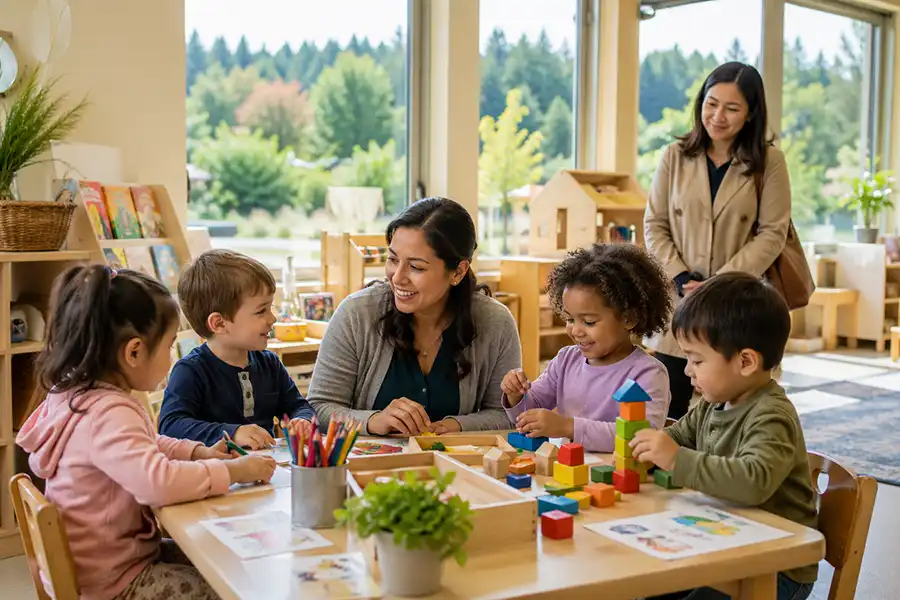
Selecting the appropriate best preschool in Langley, BC, is a critical decision that warrants careful consideration. Parents should assess various factors, including the institution’s curriculum, staff qualifications, and student-to-teacher ratios. It is also essential to visit prospective schools and observe the learning environment to ensure it aligns with your child’s needs. Ultimately, choosing a preschool that fosters a supportive and enriching atmosphere will contribute significantly to your child’s early development. Choosing the right preschool is one of the most important early decisions parents make for their child. A good preschool does more than provide care—it helps children develop social skills, confidence, independence, curiosity, and early learning habits that prepare them for kindergarten and beyond.
For families in Langley, BC, there are many preschool and childcare options available, including licensed group childcare, preschool programs, family childcare, Montessori-style programs, play-based learning centres, and faith-based or community-based schools. In British Columbia, parents can also review licensed childcare information and inspection summaries through official provincial and Fraser Health resources.
1. Start with Licensing and Safety
Before comparing curriculum, location, or fees, parents should first confirm whether a preschool is properly licensed. Licensed childcare programs in BC must follow provincial requirements related to health, safety, staffing, child-to-staff ratios, space, equipment, and program standards.
Langley is within the Fraser Health region, and Fraser Health’s licensing team conducts inspections to check whether childcare facilities comply with regulatory requirements. Parents can search for licensed childcare facilities and review available inspection information through Fraser Health and BC government resources.
When visiting a preschool, ask:
- Is the program licensed?
- Are inspection reports available?
- What is the child-to-teacher ratio?
- Are staff trained in early childhood education and first aid?
- What safety procedures are in place for emergencies?
2. Understand Your Child’s Personality and Needs
Every child is different. Some children thrive in a busy, social classroom, while others need a quieter environment with more structure and emotional support. Before choosing a preschool in Langley, think about your child’s temperament, language ability, social confidence, and daily routine.
A shy child may benefit from a smaller class size and gentle transition period. An energetic child may need a program with plenty of outdoor play and movement. A child who loves books, numbers, or hands-on activities may enjoy a curriculum that balances play with early literacy, music, art, and discovery-based learning.
3. Look for a Balanced Curriculum
The best preschool is not necessarily the one that teaches the most academics. For young children, learning happens through play, conversation, movement, creativity, and guided exploration.
A strong preschool program may include:
- Story time and early literacy
- Music, rhythm, and movement
- Art and creative expression
- Outdoor play
- Social-emotional learning
- Simple math and science activities
- Group routines and independent tasks
- Cultural awareness and community learning
Parents should look for a program that helps children build confidence, communication skills, problem-solving ability, and independence—not just memorization.
4. Visit the Classroom in Person
A preschool can look great online, but an in-person visit gives parents a much clearer picture. When touring a preschool in Langley, observe how teachers interact with children. Do they speak warmly? Do children seem comfortable? Is the classroom clean, organized, and age-appropriate?
Pay attention to the atmosphere. A good preschool should feel safe, welcoming, and active without being chaotic. Children should have access to books, toys, learning materials, art supplies, and play areas that encourage imagination and development.
5. Ask About Outdoor Play
Outdoor play is especially important for preschool-aged children. In Langley, many families value access to parks, green spaces, and outdoor learning. A good preschool should provide children with regular opportunities to run, climb, explore, and develop physical coordination.
Ask how often children go outside, whether outdoor play happens in different weather conditions, and how the school handles safety during outdoor activities.
6. Review Communication with Parents
Strong communication between teachers and parents is a key sign of a well-run preschool. Parents should feel informed about their child’s progress, behaviour, friendships, and daily experiences.
Ask whether the preschool provides daily updates, newsletters, parent-teacher meetings, photos, or progress reports. Also ask how teachers handle concerns such as separation anxiety, conflict between children, illness, or developmental delays.
7. Compare Location, Schedule, and Fees
Practical details matter. A preschool may be excellent, but it also needs to fit your family’s daily routine. Consider whether the location is convenient from home or work, whether drop-off and pick-up times work for your schedule, and whether the fees are clear.
Parents should ask about registration fees, monthly tuition, supply fees, field trip costs, cancellation policies, and waitlist procedures. Some popular preschool programs in Langley may have limited space, so it is wise to start your search early.
8. Trust Your Observations
After researching, visiting, and asking questions, trust what you see and feel. A good preschool should make both parent and child feel comfortable. The teachers should be patient and professional. The classroom should feel safe and engaging. The program should support your child’s development, not pressure them too early.
The best preschool in Langley, BC is not the same for every family. The right choice is the one that matches your child’s personality, your family’s values, and your practical needs.
Final Thoughts
Choosing a preschool is about finding a safe, caring, and developmentally appropriate environment where your child can grow. For Langley parents, the process should begin with licensing and safety, followed by careful attention to curriculum, teacher quality, communication, outdoor play, and your child’s individual needs.
A great preschool gives children more than early education—it gives them confidence, friendships, independence, and a positive first experience with learning.