
Daycare Programs Langley: What Parents Should Look for When Choosing Child Care
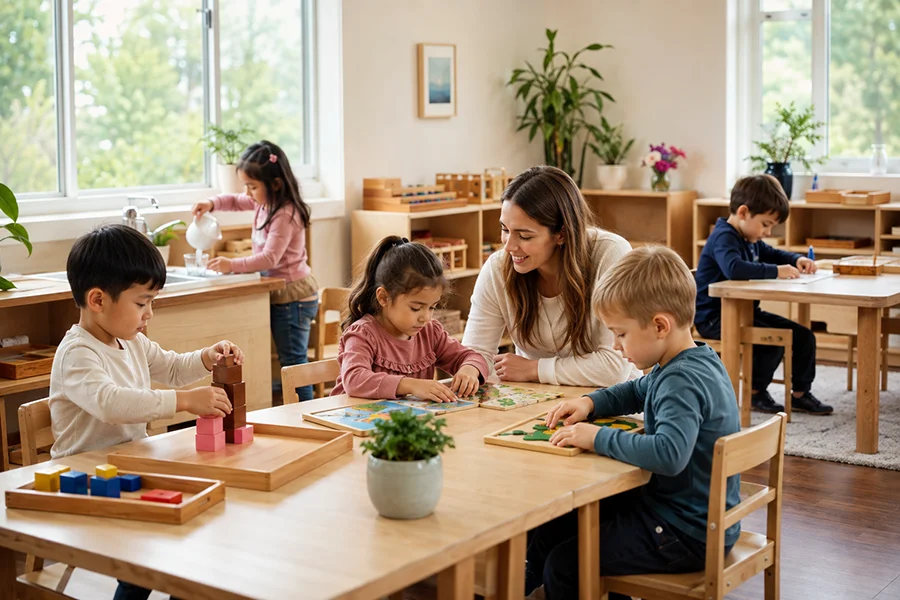
Choosing child care is one of the most important decisions families make during the early years of a child’s life. Parents are not simply looking for a place where their children can stay during the day. They want an environment where children feel safe, supported, engaged, and encouraged to grow.
When comparing daycare programs Langley, families should consider several factors, including the learning environment, educator qualifications, daily routines, communication with parents, and opportunities for children to develop independence.
A high-quality daycare program should support the whole child—socially, emotionally, physically, and intellectually.
1. A Safe and Welcoming Learning Environment
Safety is naturally one of the first things parents consider when choosing daycare.
Children should spend their day in a clean, organized, and age-appropriate environment where they can move, explore, and participate in activities safely.
An effective classroom is also welcoming. Children should feel comfortable entering the classroom, interacting with educators, and exploring materials independently.
The physical environment can have a major influence on how children learn. Organized shelves, appropriately sized furniture, accessible learning materials, and clearly defined activity areas help children understand their surroundings and build confidence.
2. Learning Through Everyday Activities
Young children learn constantly.
They learn when they stack blocks, sort objects, listen to stories, prepare simple snacks, work with puzzles, explore art materials, or interact with classmates.
Strong daycare programs in Langley should therefore provide much more than entertainment.
Activities can help children develop:
- Fine motor coordination
- Language and communication skills
- Problem-solving abilities
- Early literacy and numeracy
- Social interaction
- Concentration
- Independence
When activities are carefully selected for a child’s developmental stage, everyday experiences become meaningful learning opportunities.
3. Opportunities for Independence
Children naturally want to do things for themselves.
They may want to put away materials, pour water, choose an activity, clean a small spill, put on their shoes, or help prepare food.
Allowing children to participate in these activities helps build independence and confidence.
Montessori-inspired environments place particular emphasis on giving children meaningful responsibilities appropriate to their age.
Instead of adults completing every task for children, educators provide guidance and allow children time to practice.
These small experiences can gradually develop important life skills.
4. A Consistent Daily Routine
Children often feel more secure when they understand what will happen during the day.
A well-planned daycare schedule may include periods for:
- Independent learning
- Group activities
- Outdoor play
- Meals and snacks
- Creative activities
- Quiet time
- Storytelling
- Rest
Consistency helps young children develop a sense of predictability.
At the same time, high-quality programs remain flexible enough to respond to children’s individual needs and interests.
5. Positive Relationships With Educators
The relationship between children and educators is one of the most important elements of early childhood education.
Children learn best when they feel respected and supported.
Educators should observe children carefully, recognize their individual interests, and provide appropriate guidance without unnecessarily interrupting their concentration.
Parents should also feel comfortable communicating with educators about their child’s experiences, development, routines, and changing needs.
6. Social and Emotional Development
Daycare gives children regular opportunities to interact with other children.
Through these interactions, they gradually learn how to:
- Share space and materials
- Wait for a turn
- Express their needs
- Listen to others
- Resolve small disagreements
- Work cooperatively
- Respect classroom expectations
These social experiences can help prepare children for preschool, kindergarten, and future classroom environments.
7. Outdoor Play and Physical Development
Movement is an essential part of childhood development.
Children need opportunities to run, climb, balance, explore, and use their bodies in different ways.
Outdoor experiences also allow children to observe weather, plants, insects, natural materials, and seasonal changes.
When parents evaluate daycare programs, they should ask how frequently children spend time outdoors and how physical activity is incorporated into the daily routine.
8. Choosing the Right Daycare Programs Langley
Every family has different priorities.
Some families may require extended hours, while others may place greater importance on Montessori education, classroom size, location, or preparation for preschool.
Parents should visit potential daycare centres whenever possible and observe the environment.
Look at how educators communicate with children. Notice whether classrooms feel calm and organized. Ask about daily routines, learning activities, outdoor time, and communication with families.
Choosing among different daycare programs in Langley becomes easier when parents understand what kind of environment will best support their child’s personality and developmental needs.
Brainbox Montessori in Langley
Brainbox Montessori focuses on creating an environment where children can learn through exploration, practical experiences, and increasing independence.
By combining structured learning opportunities with age-appropriate freedom, children can gradually develop confidence, concentration, responsibility, and curiosity.
For families searching for child care in Langley, visiting the centre and learning more about the program is often the best way to determine whether it is the right fit.
Frequently Asked Questions
What should parents look for in a daycare program?
Parents should consider safety, educator-child interactions, daily routines, learning activities, outdoor play, communication, and opportunities for independence.
How does daycare support early learning?
Children develop language, social, physical, cognitive, and practical skills through everyday activities and interactions.
Should I visit a daycare before enrolling my child?
Yes. Visiting allows parents to observe the classroom environment, meet educators, and better understand the program.