
Preschool in Langley: What Parents Should Know Before Enrolling
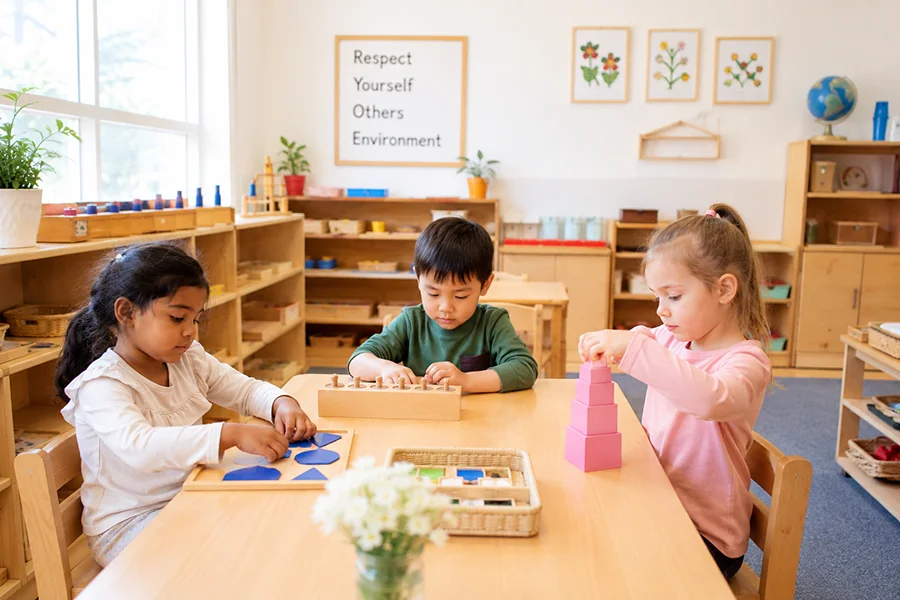
Choosing the right preschool in Langley is an important step in your child’s early learning journey. Preschool is more than a place where children play before kindergarten. It is a supportive environment where young children begin to build confidence, independence, communication skills, social awareness, and early learning habits.
For many parents, preschool is also one of the first major transitions outside the home. Children learn how to separate from parents, follow routines, interact with other children, and participate in group activities. The right preschool can make this transition smoother and more positive.
This guide will help parents understand what to look for when choosing a preschool in Langley.
Why Preschool Matters
Preschool supports children during a very important stage of development. Between the ages of three and five, children are building many foundational skills that will help them in kindergarten and beyond.
A quality preschool can help children develop:
- Language and communication skills
- Social confidence
- Emotional awareness
- Independence
- Fine motor skills
- Problem-solving ability
- Early math and literacy readiness
- Listening and concentration
- Respect for routines and classroom expectations
Preschool should not feel like formal school for young children. Instead, it should offer a balanced environment where children learn naturally through play, hands-on activities, conversation, movement, and guided exploration.
Look for a Safe and Nurturing Environment
Safety is one of the first things parents should consider when choosing a preschool in Langley. Children need to feel physically and emotionally safe before they can learn confidently.
A safe preschool environment should include:
- Clean and organized classrooms
- Age-appropriate furniture and materials
- Secure drop-off and pick-up procedures
- Safe indoor and outdoor play areas
- Proper supervision
- Clear health and safety routines
- Calm and respectful guidance from teachers
A nurturing environment is just as important as physical safety. Children should feel welcomed, respected, and supported. When children feel emotionally secure, they are more willing to explore, ask questions, try new activities, and build friendships.
Understand the Preschool Learning Approach
Different preschools may follow different learning philosophies. Some focus mainly on play-based learning, while others may include Montessori, Reggio-inspired, academic readiness, or blended early learning approaches.
A strong preschool program should support the whole child, including:
- Social development
- Emotional growth
- Language skills
- Physical coordination
- Creativity
- Independence
- Early literacy and numeracy
- Practical life skills
For families interested in Montessori preschool in Langley, the learning approach often includes hands-on materials, practical life activities, sensorial learning, independence, and respectful classroom routines.
The best preschool is not only about teaching letters and numbers. It should help children become confident, curious, capable, and ready to learn.
Montessori Preschool in Langley as an Option
A Montessori preschool can be a strong choice for families who want a calm, hands-on, and child-centered learning environment.
In a Montessori-inspired preschool, children may learn through:
- Practical life activities
- Sensorial materials
- Early language work
- Early math materials
- Independent choice
- Hands-on exploration
- Grace and courtesy lessons
- Organized classroom routines
Montessori learning encourages children to become more independent and responsible. Children are often given opportunities to choose activities, complete tasks, return materials to shelves, and work at their own pace.
This approach can help children develop concentration, confidence, fine motor skills, and a sense of responsibility.
Teachers Make a Major Difference
The quality of teachers is one of the most important factors in any preschool. A beautiful classroom matters, but the way teachers interact with children matters even more.
Good preschool teachers should be:
- Warm and patient
- Attentive to each child’s needs
- Skilled in early childhood development
- Calm during challenging moments
- Respectful in communication
- Encouraging and supportive
- Able to create structure and routine
- Good at communicating with parents
When visiting a preschool, parents should observe how teachers speak to children. Do they listen carefully? Do they guide gently? Do children seem comfortable asking for help? These details can tell you a lot about the quality of the environment.
Daily Routine Helps Children Feel Secure
Young children feel more confident when they know what to expect. A predictable preschool routine helps children understand the flow of the day and reduces anxiety.
A preschool routine may include:
- Arrival and greeting
- Circle time or group time
- Independent learning activities
- Practical life activities
- Snack time
- Outdoor play
- Storytime
- Music and movement
- Art or creative work
- Quiet time or rest
- Pick-up preparation
A good routine should provide structure without being too rigid. Children need both guidance and freedom to explore.
Social Skills Are a Key Part of Preschool in Langley
One of the biggest benefits of preschool is social development. Children learn how to interact with others in a group setting.
Preschool helps children practice:
- Sharing
- Taking turns
- Listening
- Waiting patiently
- Expressing feelings
- Solving small conflicts
- Following group instructions
- Respecting teachers and classmates
- Building friendships
These skills are essential for kindergarten readiness. A child who can communicate, cooperate, and manage emotions is better prepared for future learning.
Language Development in Preschool
Preschool is an excellent environment for language growth. Children hear new words, participate in conversations, listen to stories, sing songs, ask questions, and learn how to express ideas.
A strong preschool program may support language development through:
- Storytime
- Songs and rhymes
- Vocabulary activities
- Group discussion
- Picture cards
- Matching games
- Teacher-child conversations
- Peer interaction
- Early writing and pre-reading activities
Language development is not only about speaking. It also includes listening, understanding instructions, building vocabulary, and learning how to communicate with confidence.
Early Math and Literacy Readiness
Preschool should introduce early academic concepts in an age-appropriate way. Young children learn best through hands-on activities, not worksheets or pressure.
Early math readiness may include:
- Counting
- Sorting
- Matching
- Comparing sizes
- Recognizing patterns
- Understanding shapes
- Using hands-on counting materials
Early literacy readiness may include:
- Listening to stories
- Recognizing sounds
- Learning vocabulary
- Handling books
- Identifying letters
- Practicing fine motor skills
- Building interest in reading and writing
The goal is not to rush children. The goal is to create a strong foundation so children enjoy learning and feel confident when they enter kindergarten.
Fine Motor Skills and Practical Life Activities
Fine motor skills are important for writing, dressing, eating, cutting, drawing, and many daily tasks. Preschool gives children many opportunities to strengthen the small muscles in their hands and fingers.
Fine motor activities may include:
- Pouring
- Scooping
- Sorting
- Threading beads
- Using tongs
- Drawing
- Painting
- Building with blocks
- Working with puzzles
- Opening and closing containers
In a Montessori preschool, practical life activities are especially important. Children practice real-world tasks in a careful, structured way. These activities help build independence, coordination, patience, and focus.
Outdoor Play and Physical Development
Outdoor play is an important part of preschool. Children need movement, fresh air, and opportunities to develop gross motor skills.
Outdoor activities may help children build:
- Balance
- Coordination
- Strength
- Confidence
- Social skills
- Creativity
- Emotional regulation
A good preschool should provide safe outdoor play when possible. Outdoor time gives children a healthy break from indoor activities and supports their overall development.
Emotional Readiness for Kindergarten
Kindergarten readiness is not only about knowing letters and numbers. Emotional readiness is just as important.
A preschool can help children become more ready for kindergarten by supporting:
- Separation from parents
- Confidence in group settings
- Ability to follow routines
- Listening to teachers
- Managing emotions
- Asking for help
- Trying new activities
- Completing simple tasks
- Building independence
When children feel emotionally secure, they are more likely to enjoy school and participate successfully.
Parent Communication Matters
Good communication between preschool and parents is essential. Parents should feel informed about their child’s progress, routines, behavior, and daily experiences.
A preschool may communicate through:
- Daily conversations
- Emails or updates
- Photos or activity notes
- Parent meetings
- Progress updates
- Notices about classroom activities
Strong communication helps parents and teachers work together. It also helps families understand how their child is adjusting and growing.
Questions to Ask Before Enrolling
Before choosing a preschool in Langley, parents should ask important questions such as:
- Is the preschool licensed?
- What ages does the program accept?
- What is the daily schedule?
- What learning approach does the preschool use?
- How many children are in each class?
- How do teachers support social development?
- How does the preschool handle separation anxiety?
- Is outdoor play included?
- How does the preschool communicate with parents?
- What skills does the program build for kindergarten readiness?
- Is there a waitlist?
- Can parents book a tour?
These questions can help parents compare programs more clearly.
Signs of a Good Preschool
When visiting a preschool, look for positive signs such as:
- Children appear calm and engaged
- Teachers speak respectfully to children
- Classrooms are clean and organized
- Materials are age-appropriate
- Children have opportunities to make choices
- Routines are clear but flexible
- Outdoor play is included
- The environment feels warm and welcoming
- Teachers can explain the learning approach clearly
A good preschool should feel safe, purposeful, and child-centered.
Common Mistakes to Avoid
When choosing a preschool, parents should avoid these common mistakes:
- Choosing only based on location
- Choosing only based on price
- Not visiting the classroom
- Ignoring teacher-child interaction
- Not asking about daily routines
- Overlooking social and emotional development
- Assuming all preschools are the same
- Not considering your child’s personality
- Forgetting to ask about parent communication
The right preschool should match both your child’s needs and your family’s schedule.
Final Tips for Parents
Before enrolling your child, take time to visit the preschool, observe the environment, ask questions, and think about how your child may feel in the classroom.
A strong preschool should provide:
- Safety
- Warmth
- Structure
- Independence
- Hands-on learning
- Social development
- Emotional support
- Kindergarten readiness
- Clear communication with parents
Parents should choose a preschool where their child can feel comfortable, respected, and excited to learn.
Conclusion
Choosing the right preschool in Langley is an important decision for your child’s early development. A quality preschool can help children build confidence, independence, language skills, social awareness, emotional readiness, and early learning habits.
Whether you are looking for Montessori preschool, daycare, childcare, or kindergarten preparation, the best program should support your child as a whole person.
A positive preschool experience can help children begin their learning journey with confidence, curiosity, and joy.
Looking for a caring preschool in Langley? BrainBox Montessori provides a nurturing Montessori-based early learning environment where children can build independence, confidence, social skills, practical life skills, and kindergarten readiness through hands-on activities and respectful guidance. Contact us today to learn more or book a visit.