
Montessori Preschool in Langley: How Children Learn Through Independence
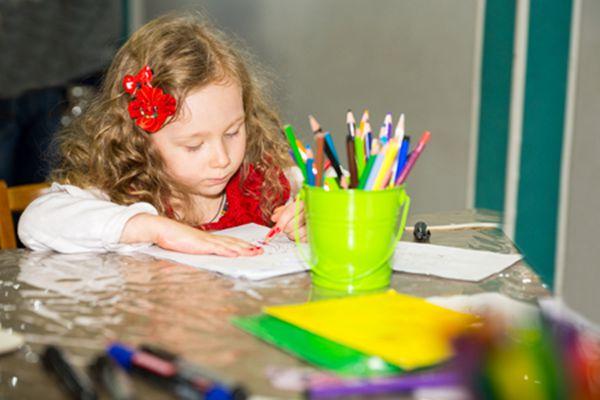
Young children naturally want to participate in the world around them. They want to carry objects, pour water, choose activities, dress themselves, solve problems, and complete tasks without constant adult assistance. A Montessori preschool in Langley can support this natural desire by providing a carefully prepared environment where children develop independence through hands-on learning and purposeful daily routines.
In Montessori education, independence does not mean that children are left to manage everything alone. Educators observe, demonstrate, guide, and provide help when needed. The goal is to give children enough support to succeed while gradually allowing them to take greater responsibility for their own learning.
What Independence Means in Montessori Preschool in Langley
In a Montessori classroom, independence begins with simple, practical opportunities.
Children may learn to:
- Select an activity
- Carry a tray carefully
- Put materials back in the correct place
- Pour water into a cup
- Clean a small spill
- Put on a coat
- Wash their hands
- Prepare for snack
- Wait for a turn
- Complete a task from beginning to end
These actions may seem small, but they help children develop concentration, coordination, problem-solving ability, and confidence.
When adults complete every task for a child, the child may miss opportunities to practise. Montessori educators therefore consider when to help, when to demonstrate, and when to step back.
The Prepared Environment Encourages Learning
A Montessori preschool in Langley classroom is intentionally arranged to make learning materials visible and accessible.
Furniture is generally suited to the children’s size, and materials are placed in organized locations. Children can often see where each item belongs and understand how to return it after use.
This prepared environment supports independence because children do not need to ask an adult for every material. They can make appropriate choices within an established structure.
A well-prepared Montessori preschool in Langley may include areas for:
- Practical life
- Sensorial exploration
- Language
- Mathematics
- Art
- Culture and nature
- Reading
- Quiet concentration
- Group activities
The classroom arrangement is not accidental. Each area is designed to help children move purposefully and work with increasing independence.
Practical Life Activities Build Real Skills
Practical life is a central part of Montessori education. These activities are based on everyday tasks that children see adults performing.
Examples may include:
- Pouring
- Scooping
- Sorting
- Folding
- Buttoning
- Zipping
- Washing
- Sweeping
- Transferring objects
- Caring for plants
- Setting a table
- Organizing materials
Practical life activities help children strengthen fine motor control, hand-eye coordination, sequencing, focus, and responsibility.
They also communicate an important message: children are capable participants in their community.
When a child learns to clean a spill or prepare a work area, the child begins to understand that personal actions affect the shared environment.
Children Learn Through Hands-On Experience
Montessori materials are designed to be touched, moved, arranged, compared, counted, matched, and explored.
Instead of only listening to explanations, children interact directly with materials. This allows them to experience concepts in a concrete way before moving toward more abstract understanding.
For example, a child learning about size may arrange physical objects from smallest to largest. A child exploring quantity may handle objects that represent different numbers. A child developing language may trace shapes, match sounds, or work with movable letters.
Hands-on learning can make ideas more understandable because children are actively involved in the process.
Choice Exists Within Clear Limits
Montessori education allows children to make choices, but the classroom is not without structure.
Children choose from activities that have been selected and prepared by the educators. They are expected to use materials appropriately, respect other people’s work, complete activities carefully, and return materials when finished.
This balance between freedom and responsibility is important.
Too much adult control can limit initiative. Too little structure can make the environment confusing. Montessori education aims to provide meaningful freedom within clear, consistent boundaries.
At a Montessori preschool in Langley, children may decide which activity to begin, how long to concentrate on it, and when to select another task, provided that their choices remain respectful and appropriate.
Repetition Helps Children Develop Mastery
Adults may become bored when a child repeats the same activity, but repetition is an important part of early learning.
A child may pour water several times, complete the same puzzle each day, practise opening and closing containers, or repeat a matching activity.
Through repetition, children improve accuracy, coordination, speed, memory, and confidence. They also learn to recognize their own progress.
Montessori classrooms give children time to repeat activities without being hurried into something new before they are ready.
Educators Observe Before Intervening
Observation is an important responsibility in Montessori education.
Educators watch how children move, communicate, select activities, solve problems, respond to frustration, and interact with classmates. These observations help educators decide when to introduce a new material or offer support.
An educator may demonstrate an activity slowly and precisely, then invite the child to try. After the presentation, the educator may step back so the child can practise independently.
This approach gives the child space to think and act rather than receiving constant instructions.
Independence Builds Confidence
Confidence grows when children experience real success.
When a child completes a task independently, the achievement belongs to the child. The child does not need continuous praise to understand that progress has been made.
The child can see the result:
- The buttons are fastened.
- The puzzle is complete.
- The objects are sorted.
- The water has been poured.
- The materials are back on the shelf.
These experiences help children develop an internal sense of competence.
A confident child is more likely to attempt a new activity, recover from small mistakes, ask thoughtful questions, and continue working when a task becomes challenging.
Montessori Education Supports Social Independence
Independence is not only about completing individual tasks. Children also learn how to participate respectfully in a group.
A Montessori preschool in Langley may help children practise:
- Waiting without interrupting
- Observing another child’s work
- Asking to join an activity
- Solving minor disagreements
- Speaking respectfully
- Caring for shared materials
- Moving carefully around the classroom
- Helping younger or less experienced classmates
Many Montessori environments include children of different ages or developmental stages. Younger children can observe more experienced classmates, while older children may strengthen their knowledge by helping others.
Independence Helps Prepare Children for School
School readiness involves much more than recognizing letters and numbers.
Children also benefit from being able to:
- Follow a routine
- Listen to instructions
- Organize belongings
- Complete a task
- Communicate needs
- Work near other children
- Manage small frustrations
- Make appropriate choices
- Ask for help when necessary
A Montessori preschool in Langley can support these abilities through daily routines and carefully designed learning opportunities.
Academic development remains important, but it is strengthened by concentration, emotional regulation, independence, and curiosity.
How Parents Can Encourage Independence at Home
Families can reinforce Montessori principles by giving children appropriate responsibilities at home.
Parents might invite children to:
- Place clothing in a basket
- Carry unbreakable dishes
- Water a plant
- Choose between two outfits
- Put books back on a shelf
- Help prepare a simple snack
- Wipe a table
- Pack a daycare bag
- Put shoes in the correct place
Tasks should be safe, realistic, and suitable for the child’s development. The goal is not perfection. The goal is participation and practice.
Adults may need to slow down, demonstrate clearly, and allow extra time. A child may initially take longer than an adult, but the experience helps build long-term capability.
Choosing a Montessori Preschool in Langley
Parents should visit potential preschools and observe whether children have genuine opportunities to work independently.
Look for classrooms that are organized, calm, welcoming, and designed for children. Ask how educators introduce activities, guide behaviour, communicate with families, and support children who are new to Montessori learning.
Brainbox Montessori offers an early learning environment focused on independence, purposeful activity, concentration, respectful guidance, and hands-on discovery.
Families searching for a Montessori preschool in Langley are encouraged to learn more about the program, classroom routines, enrollment process, and available preschool spaces.